In short
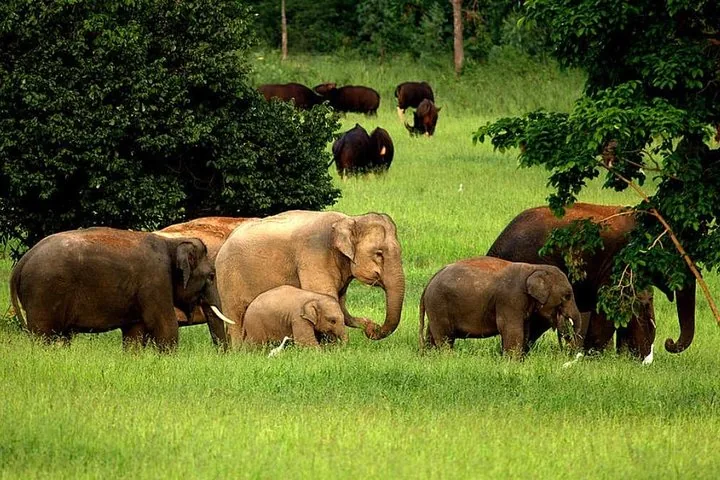
- Elephants are 100% wild and roam freely in a 969-square-kilometer park.
- Feeding, touching, and artificial interactions are strictly forbidden.
- Visitors watch from a distance in mandatory ranger-driven 4x4 trucks.
In this article
- What makes Kui Buri National Park ethical for elephant watching?
- Are you allowed to touch or feed the elephants?
- How does the mandatory 4x4 system protect the animals?
- What are the rules for visitors during the safari?
- Kui Buri National Park vs. Elephant Sanctuaries
- Does ethical viewing mean a lower chance of seeing elephants?
Kui Buri National Park stands out for its commitment to natural wildlife observation. Unlike sanctuaries or camps, this park offers no forced interactions. Visitors simply watch wild elephants going about their day in the Tenasserim Hills.
What makes Kui Buri National Park ethical for elephant watching?
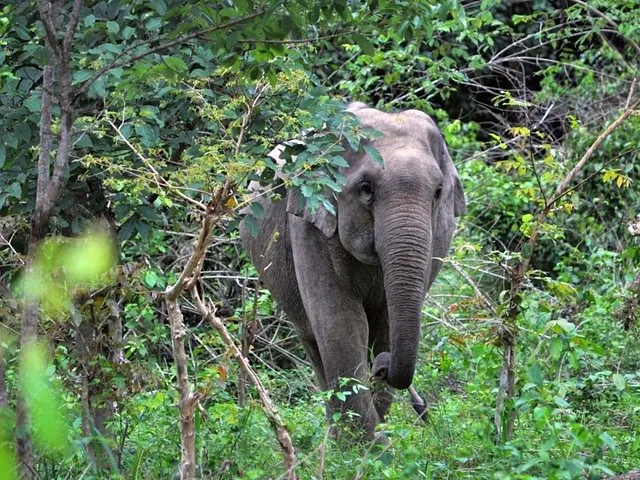
The park protects a wild population of over 320 Asian elephants in a completely natural environment.
There are no fences holding the animals in a viewing area. The elephants roam across 969 square kilometers of protected forest and grasslands. Visitors enter the elephants' home, operating strictly on the animals' terms.
Are you allowed to touch or feed the elephants?
No, feeding or touching the wild elephants is strictly forbidden.
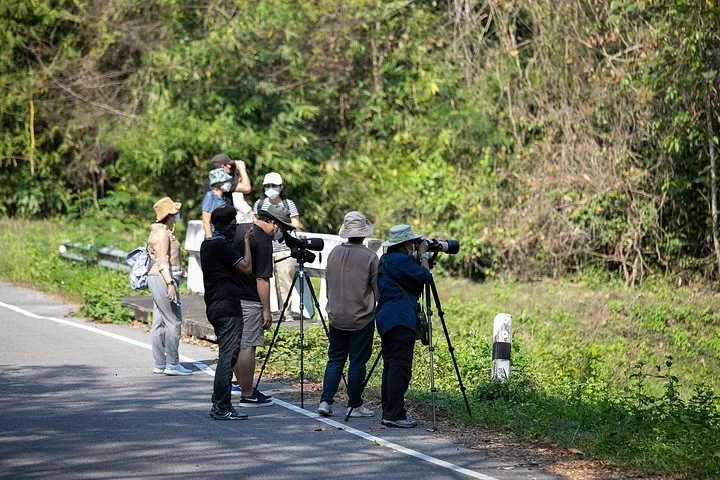
The national park enforces strict rules to keep the wildlife wild. Park rangers ensure no one feeds the animals. You must remain inside the 4x4 safari vehicles or on the designated elevated viewing platforms at all times.
How does the mandatory 4x4 system protect the animals?
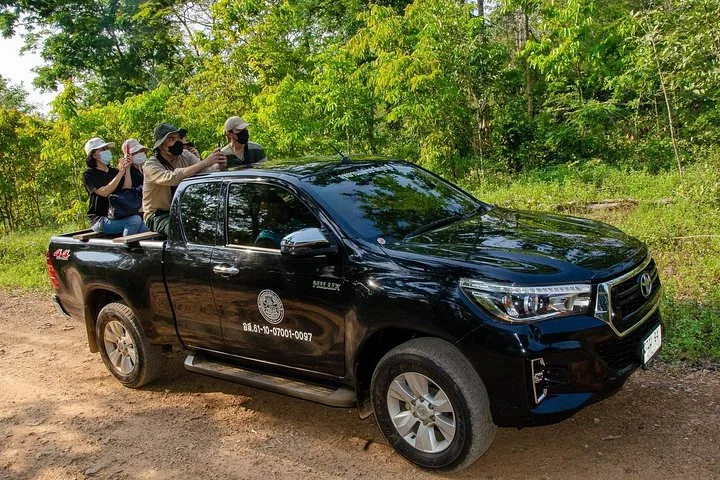
Banning private vehicles reduces traffic and limits disturbance in the wildlife zone.
You must hire a local park ranger's 4x4 safari truck to enter the Huai Luek Wildlife Watching Area. This system controls the number of vehicles near the herds. The local drivers know how to position the trucks without stressing the elephants.
What are the rules for visitors during the safari?
Visitors must minimize noise and avoid using items that startle the animals.
- Flash photography is not allowed.
- Loud noises are prohibited.
- Drones are strictly banned inside the park boundaries.
- Pets are not permitted in the wildlife viewing area.
Kui Buri National Park vs. Elephant Sanctuaries
Kui Buri is a wild habitat, while sanctuaries hold captive or rescued elephants.
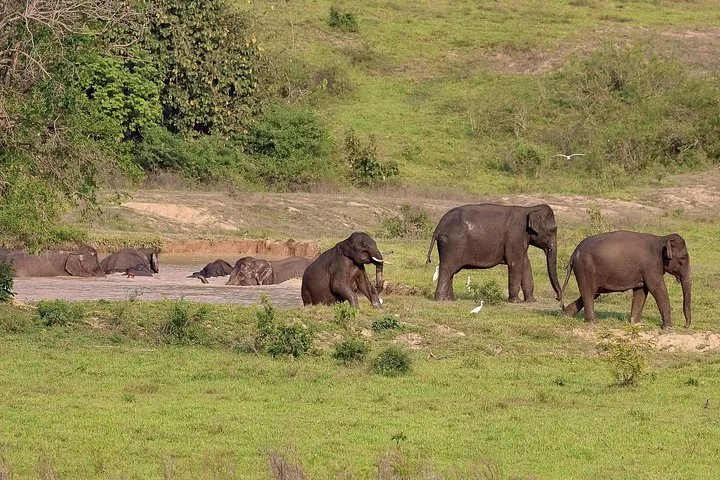
Sanctuaries often allow feeding or close contact. In Kui Buri, you watch natural behaviors from 100 to 200 meters away. This distance ensures the elephants live entirely wild lives without relying on humans.
Does ethical viewing mean a lower chance of seeing elephants?
No, visitors still have a 95% success rate of spotting wild elephants.
The park restricts wildlife viewing to the hours between 2:00 PM and 6:00 PM. During this late afternoon window, the elephants reliably gather near water sources and open salt licks. This makes them highly visible from the platforms.
Questions travellers ask
Can I walk around in the wildlife area at Kui Buri?
No. You must stay inside the mandatory 4x4 safari vehicle or on the designated elevated wooden viewing platforms.
Do the rangers bait the elephants?
No. The elephants come out to the grasslands and natural salt licks on their own. Artificial feeding is strictly banned.
Is Kui Buri National Park ethical?
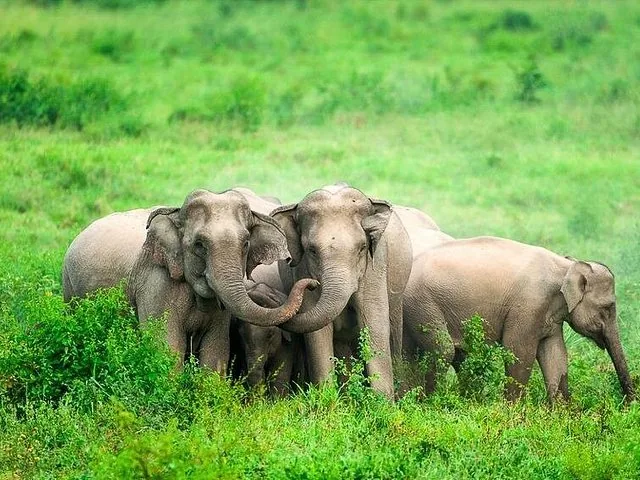
Yes. The park is a natural habitat where over 320 wild Asian elephants live freely. There is zero forced interaction.